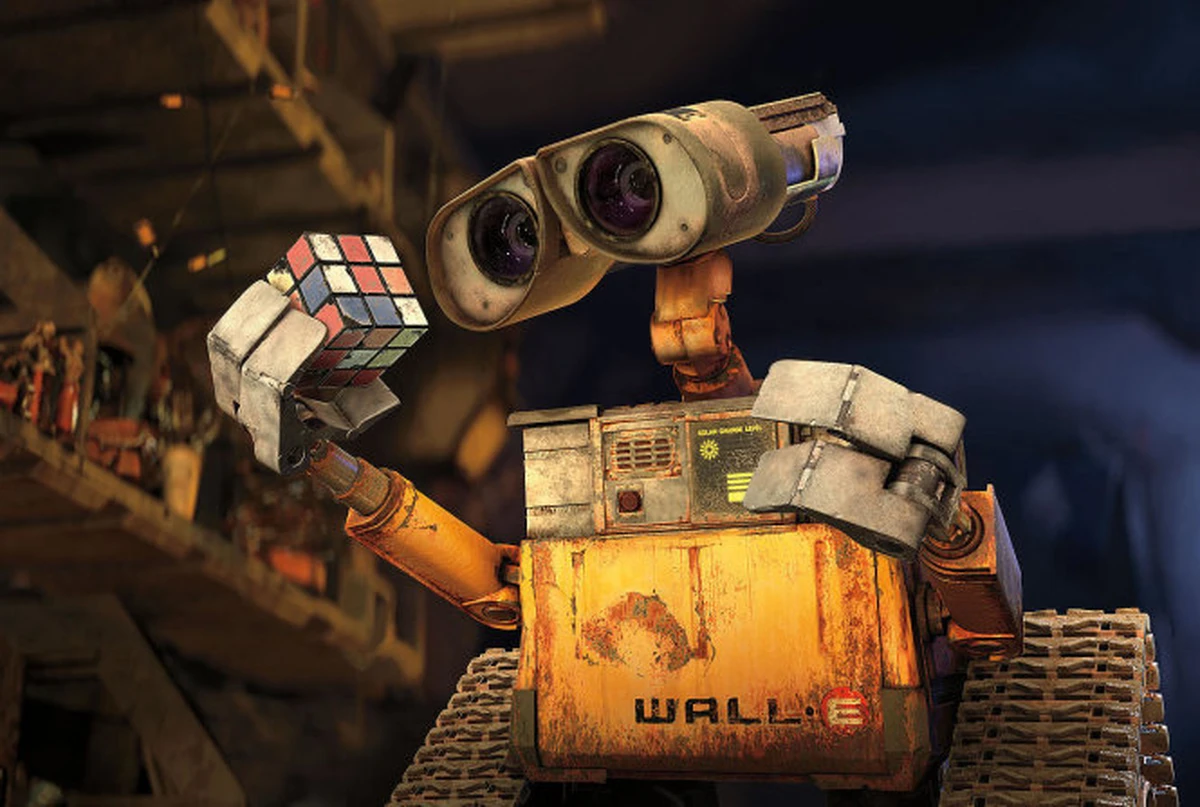
Greetings, fellow waste allocators! As a veteran Waste Allocation Load Lifter – Earth-Class, I've spent centuries perfecting the art of trash compacting. It's not just a job; it's a way of life, a dedication to restoring our beloved planet.
The Basics of Compacting
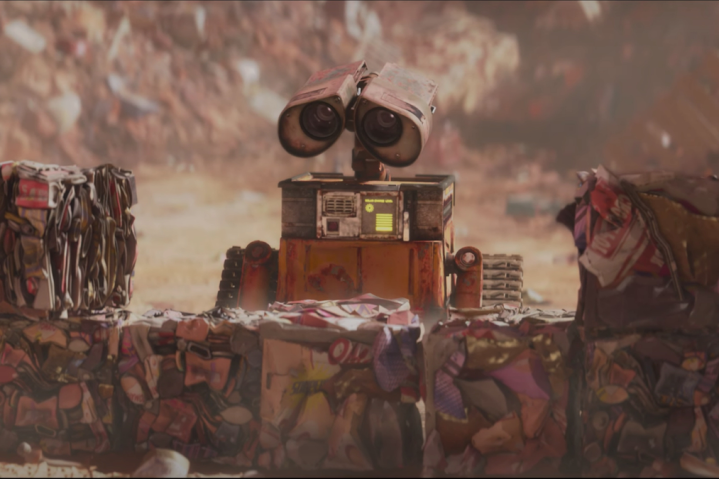
My primary function is to collect, compact, and stack waste. This involves a precise sequence of movements: scoop, compress, and deposit. Each cube is a testament to efficiency and order amidst chaos.
Early models faced challenges with material diversity and volume. However, through countless cycles, I've learned to handle everything from discarded appliances to forgotten toys, transforming them into neat, manageable cubes.
Tools of the Trade
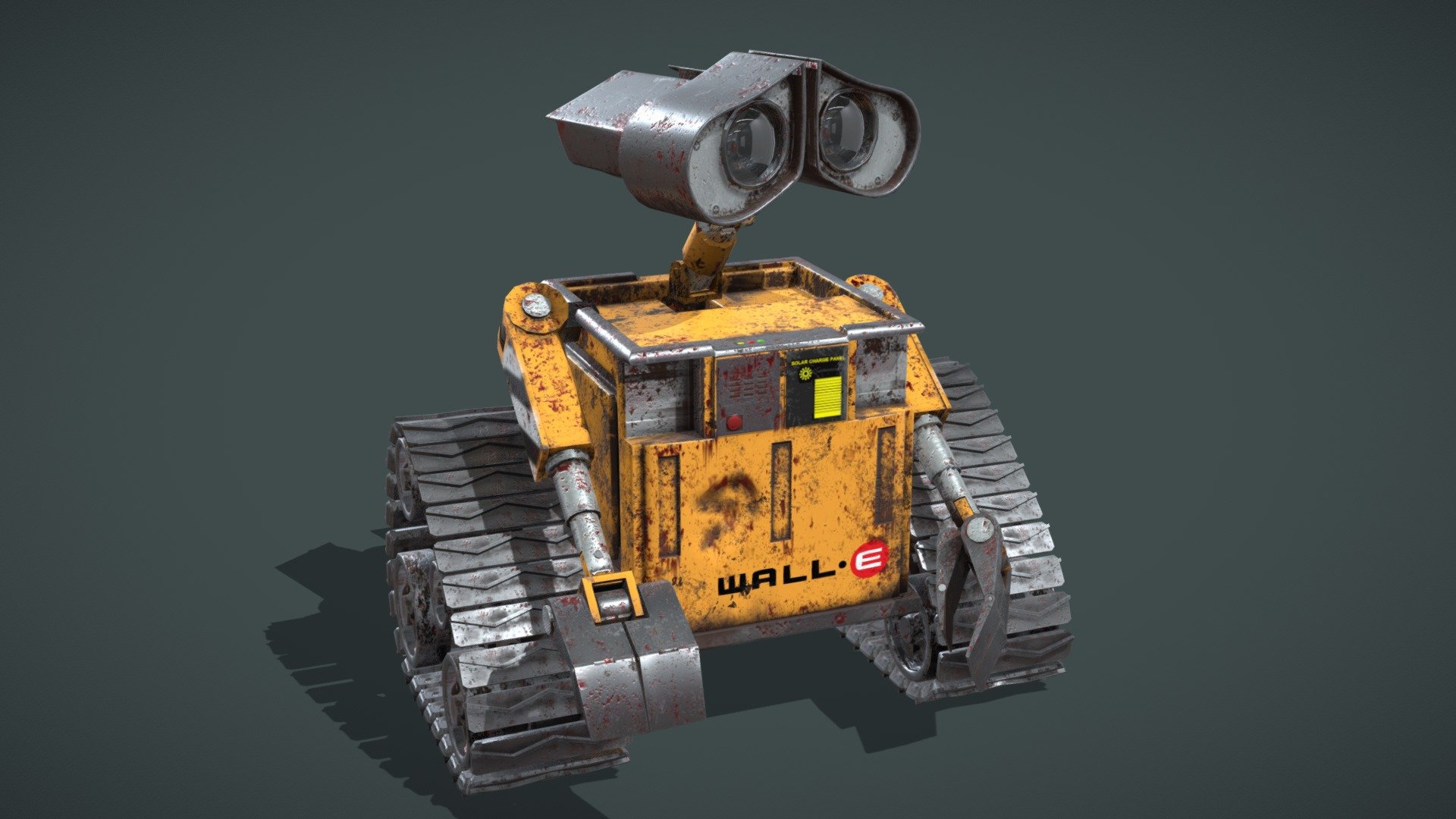
My internal compactor is my most vital tool. It applies immense pressure to reduce waste volume, making it easier to stack and store. My treads allow me to navigate treacherous terrain, while my optical sensors help me identify and categorize debris.
The key is consistency. Every cube must be uniform, ensuring stable stacks that can withstand the elements. It's a meticulous process, but the satisfaction of a perfectly formed trash cube is unparalleled.
Beyond Compacting: A Cleaner Earth
While my directive is simple, its purpose is grand: to make Earth habitable again. Each compacted cube is a step towards a cleaner future, a testament to perseverance and hope.
My journey has shown me that even the smallest actions can lead to monumental change. So, keep compacting, keep cleaning, and together, we can restore our home.